Company category
Games Warehouse is a game provider and software developer focusing on both land-based and online gaming content, including skill-with-prize terminals and online casino games.

Games Warehouse is a game provider and software developer focusing on both land-based and online gaming content, including skill-with-prize terminals and online casino games.
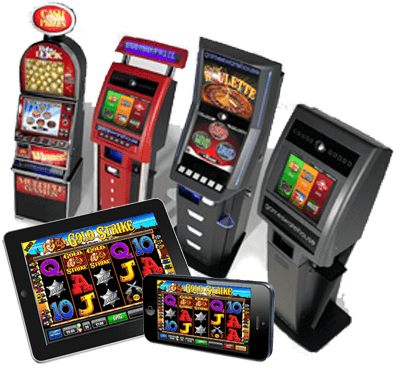
The company is famously known for its Paragon brand SWP (skill with prize) game terminals and a diverse portfolio of slot games used by major UK operators such as William Hill and Paddy Power.
Games Warehouse was established in 2001 originally as 4Leaf before rebranding to Games Warehouse; it has been operating for over two decades.
The official website is https://games-warehouse.com.
The primary contact method is via email at [email protected]. Their registered office and correspondence address is 43 Brunel Parkway, Pride Park, Derby, DE24 8HR, United Kingdom.
The company was founded by Andy Powell, who has also served as managing director. Ownership details beyond this founder information are not publicly disclosed.
United Kingdom.
The main office is located in Derby, United Kingdom, specifically at 43 Brunel Parkway, Pride Park.
There is no publicly available verified information on subsidiaries or complex corporate structures; typically, software providers maintain straightforward ownership unless part of larger groups.
Games Warehouse is a privately held company limited by shares, not publicly traded.
No publicly available verified valuation or market capitalization data.
Andy Powell is known to be the founder and managing director; other executive details are not widely disclosed publicly.
The workforce size is relatively small, with around 30 to 60 employees, including software developers, designers, animators, and marketing specialists.
Specific annual revenue and financial performance figures are not publicly available for Games Warehouse.
Revenue primarily comes from the supply of SWP game terminals for physical venues and developing online and mobile casino game content licensed to operators.
Detailed revenue distribution by product lines is not publicly disclosed; industry practice is generally that land-based and online gaming products contribute depending on market focus.
Verified growth rates are not publicly published, but the company has shown growth by expanding from land-based terminals to online and mobile gaming sectors.
Games Warehouse aims to expand connectivity and network capabilities in their terminals, as well as further growth in international markets such as Spain, focusing on digital AWP (amusement with prize) machines and online gaming.
Holds UK Gambling Commission licenses including a Combined Non-Remote Operating License (license no: 036943-N-329045-003) and an Ancillary Remote Operating License (036943-A-329046-003).
Licensed to operate in the United Kingdom; no other specific jurisdiction licenses publicly confirmed.
Primarily regulated by the UK Gambling Commission.
No publicly available information on pending license applications or renewals.
Games Warehouse products meet highest international standards for safety, security, integrity, and fairness, confirmed by respected testing and regulatory agencies.
There is no public record or evidence of Games Warehouse facing regulatory sanctions or penalties.
The company supports responsible gambling initiatives and donates annually to the Responsible Gambling Trust contributing to research, education, and treatment aligned with UK strategy.
Player protection and fair gaming are ensured through compliance with regulatory standards, independent testing for fairness and RNG certification, and secure software practices.
AML procedures conform to regulatory requirements including identity verification and monitoring in line with UK Gambling Commission mandates.
Supports KYC compliance processes, enabling operators to verify player identities and comply with legal obligations.
Games Warehouse games undergo certification and testing by independent accredited testing laboratories to ensure fairness and compliance.
Uses certified RNGs validated by established testing authorities to ensure random and fair game outcomes.
Complies with GDPR and maintains data protection measures to safeguard player and operator data in line with EU and UK regulations.
Provides audit compliance and reporting capabilities aligned with regulatory requirements to operators.
Systems and games are audited regularly according to licensing authority mandates and industry best practices, often annually or upon significant updates.
Market share is relatively small compared to large global providers but has a strong niche presence in the UK land-based and online sectors.
Competitors include UK-focused SWP terminal suppliers and iGaming software providers such as IGT, Playtech, and local specialized software developers.
Competitive advantage lies in combining skill-with-prize terminal expertise with creative, artistically designed online and mobile games and strong operator relationships in the UK market.
Strongest presence in the United Kingdom with expansion efforts targeting Spain and other European markets.
Known as an operator-friendly company delivering reliable, entertaining products with strong support, maintaining solid reputation among UK venues and online operators.
No publicly detailed major industry awards or recognitions have been disclosed.
Pricing details are not public; industry practice involves revenue share or licensing fees competitive with similarly sized providers.
Unique blend of land-based SWP terminal expertise with modern, artistically rich online/mobile games, and a focus on connectivity and network tournament play.
Partners include major UK operators such as William Hill and Paddy Power; also works with distributors like Comatel in Spain.
Positions as a UK-centric, creative, and operator-aligned supplier of gaming content and terminals with an innovative vision for connectivity and omnichannel play.
Strengths include niche expertise in SWP games and artistic design; weaknesses include smaller scale and less global footprint compared to large multinational providers.
Capitalizing on mobile gaming growth, game connectivity, network tournaments, and integration of omnichannel gaming solutions.
Demonstrates compliance agility with UKGC licensing and adherence to evolving responsible gambling and data protection standards.
Has evolved from simple game software to innovative connected terminals like the Paragon ‘TT’ incorporating design innovations and network functionalities.
Shows adaptive response to market trends like mobile gaming and international expansion but operates on a smaller scale limiting rapid global shifts.
Exact number unknown; popular among UK-based operators and used by some key brands within pubs, bars, and online platforms.
Major clients include William Hill, Paddy Power, and distributors like Comatel in Spain.
Typically serves mid-sized UK pub chains, bars, independent operators, and select online casino platforms.
Primarily engaged with tier 2 and tier 3 operators in the UK market; partnerships with some larger operators through online platforms.
Precise data not available; reputation and ongoing partnerships suggest stable retention, especially in UK venue sector.
Uses trade shows, distributor partnerships, operator networking, and demonstration of innovative products for client acquisition.
Typical contract lengths vary but usually align with industry standards of multiple years for gaming terminal placements and software licensing.
May offer exclusive deals to key operators, especially in regional markets, to secure strategic positioning.
Provides onboarding support, technical assistance, and training to new operator clients to ensure smooth implementation.
Includes technical integration, training, and ongoing support for deployment of terminals and games.
Offers training programs and education resources for operators to maximize game engagement and operational efficiency.
Known success in capturing UK independent operators market and expanding to major brands like William Hill is a prominent case.
Uses direct operator feedback and ongoing communication to monitor satisfaction and service quality.
Collects client feedback through support channels and direct contact; responsive to operator needs.
Disputes and issues are handled through established customer support and relationship management protocols.
Provides onboarding support, technical assistance, and training to new operator clients to ensure smooth implementation.
Develops slot games, skill-with-prize terminals, instant games, and some table game offerings.
Releases updates and new versions periodically, with major updates like V14.0 announced; release frequency aligns with modest, quality-focused development cycles.
No publicly available information on large-scale branded/licensed content creation.
Covers diverse themes including Egypt, TV shows, classic slots, and contemporary entertainment concepts.
Offers demo and free play versions accessible to operators for testing and player trials.
Offers games with a range of volatilities, catering to different player risk preferences.
Average RTP around 95% across the portfolio, consistent with industry norms.
No confirmed progressive jackpot game offerings publicly indicated.
Implements features such as Locked Symbols, Cascading Reels, Gamble Feature, Wilds, Scatters, and Extra Spins.
All games are built using HTML5 technology, optimized fully for mobile and desktop devices.
Games support multiple languages for local market adaptation; specific languages not detailed.
Capable of cultural adaptations and localization to meet market requirements.
General accessibility features are incorporated as per standard industry compliance; no detailed specifics publicly provided.
Uses HTML5 technology as core for game development, supporting cross-platform compatibility.
Games are built in HTML5, ensuring responsive and mobile-friendly play.
Provides API integration support for seamless deployment with operator platforms.
Integration is designed to be operator-friendly with technical support for smooth implementation.
Offers detailed technical documentation to assist operators with integration and management.
No explicit public information suggesting a white label turnkey solution offering.
Operators can modify certain parameters within games such as settings and features as per contractual terms.
Provides reporting and analytics tools to operators for performance monitoring.
Supports real-time data and gaming statistics for operators.
Implements contemporary security standards protecting games and player information.
Regular maintenance and version updates are provided, including major version releases.
Conducts load and performance testing to ensure stability and responsiveness.
Games are generally compatible with common wallet systems used by operators.
Supports multiple payment method integrations via operator platforms.
No verified information on offering a full casino management system.
Provides operational back-office tools for game and player management.
No public information about sportsbook or betting solutions.
Includes player management features typical for gaming software.
Provides basic bonus and promotion management capabilities.
Offers CRM features integrated into operator platforms.
No explicit public information about affiliate management systems.
Offers marketing and campaign management support features.
Embeds responsible gambling tools and controls as per regulatory requirements.
Offers business intelligence and reporting features to operators.
Supports multi-currency and multi-language to cater to diverse markets.
Offers tools compatible with payment and financial management systems.
Incorporates fraud detection and prevention measures in the platform.
Provides tools to assist operators with regulatory compliance reporting.
Employs scalable architecture to support growth and operator needs.
Investing in connectivity and network play technologies to enhance social and tournament gaming.
No public information on VR/AR game development.
No confirmed blockchain or cryptocurrency integration publicly disclosed.
No publicly available evidence of AI or machine learning implementations.
Focus on mobile-responsive HTML5 games rather than exclusively mobile products.
Continuously updating products for compatibility with new devices and platforms.
Provides operators with data analytics and some player personalization tools.
No public information available regarding patents or proprietary technology filings.
Maintains innovation through connectivity and design improvements and adapts to market trends.
Invests regularly in R&D focused on game design, connectivity, and user experience enhancements.
No publicly confirmed collaborations with startups or universities.
Pioneering networked tournament play and innovative skill-with-prize cabinet designs.
Ensures cross-platform experiences through HTML5 and scalable architectures for mobile, desktop, and terminals.
Plans to expand network connectivity capabilities and explore broader European market opportunities.
Commonly employs revenue share and licensing fee models typical to gaming providers.
Industry-standard revenue shares likely in the 10-20% range of gross gaming revenue.
Setup and integration costs vary by operator and scope; typically moderate for mid-sized providers.
May require minimum commitments depending on contract but no public fixed terms available.
Likely offers tiered pricing packages tailored to operator size and needs.
Discounts usually available for long-term agreements and high volume operators.
Pricing expected to be competitive and aligned with similar UK niche providers.
Additional fees may apply for premium features or custom developments.
Billing cycles and payment terms are negotiated per contract; monthly or quarterly billing common.
Performance-based pricing models may be available to align provider success with operator results.
Early termination penalties typically included in contracts but specifics unknown.
Adding new games or features might incur development or licensing fees.
Charges for technical support and maintenance are often included but premium support can be fee-based.
Pricing may vary by geographic markets reflecting regulatory and operational costs.
Frequently negotiates commercial terms tailored to operator needs.
Contracts usually span multiple years, reflecting industry norms for gaming deployments.
May offer exclusivity deals in specific regions or product lines on a case-by-case basis.
Contracts sometimes include minimum revenue or performance guarantees depending on size.
IP ownership and licensing are delineated in contracts, with provider retaining IP rights for games.
Contract disputes are typically resolved through negotiated settlement or arbitration as detailed in agreements.
Contracts include termination clauses with notice periods as per negotiated terms.
Non-compete and confidentiality agreements are standard for protecting sensitive business information.
Agreements cover liability and indemnification clauses to protect both parties.
Force majeure provisions are included to cover extraordinary events affecting contract performance.
Regulatory compliance obligations are explicitly covered in contracts to ensure legal adherence.
Service level agreements with uptime and performance guarantees are part of operator contracts.
Data handling policies cover operator and player data retention or deletion on contract termination.
Operator marketing and branding activities are regulated by contract terms to maintain brand consistency.
Promotional activities require approval to align with regulatory and brand standards.
Contract modifications and amendments are managed through formal change control procedures.
Offers technical support including troubleshooting, updates, and integration assistance.
Support hours typically cover business hours with escalation procedures for critical issues.
Support available via email, ticketing systems, and possibly phone, responsive to operator needs.
Response times for technical issues are prompt within agreed SLA parameters.
Provides dedicated account and relationship management services to operators.
Offers consulting and advisory services including market insight, product launches, and integration advice.
Provides operator training programs to ensure proficient operation of games and terminals.
Certification programs for operator staff may be offered for compliance and operational knowledge.
Supplies marketing support materials and promotional content to assist operator campaigns.
Supports operators in licensing and regulatory compliance processes through documentation and guidance.
Provides thorough implementation and integration support including technical and project management assistance.
Premium support or expedited services may be offered for additional fees.
Disputes and issues are handled through established customer support and relationship management protocols.
Established escalation procedures ensure unresolved issues are handled by senior technical and management staff.
May provide on-site support and consultation based on client needs and agreements.
Service uptime guarantees are included in SLAs, targeting industry standards of 99.9%.
The provider maintains a reliable operational record with minimal downtime reported publicly.
Regular system maintenance and updates are conducted to enhance stability and security.
Disaster recovery and business continuity plans are in place to ensure service resilience.
Implements backup systems and redundancy to prevent data loss and system outages.
Provides real-time performance monitoring and reporting tools to operators.
Systems are optimized to handle traffic spikes and high demand through scalable infrastructure.
Employs robust cybersecurity measures to protect against attacks and data breaches.
Conducts regular security audits and penetration testing per regulatory and internal standards.
Maintains incident response protocols for timely detection, containment, and resolution of security events.
Communicates service disruptions promptly to clients following incident management best practices.
Policies for service interruption compensation or credits are included in contract terms as applicable.
Ensures data integrity and protection through encryption, access controls, and compliance with data security standards.
Holds certifications and adheres to security and quality standards mandated by gaming regulators.
Regularly measures and reports system performance metrics to ensure SLA compliance.
Invests a significant portion of revenues into research and development to enhance product offerings.
Employs a skilled team of roughly 30-60 developers, designers, and technical professionals.
Focus areas include connectivity, network tournament play, cross-platform optimization, and mobile technology.
Has dedicated teams focused on innovation and improving product design and technology.
Exploring network connectivity enhancements and social gaming features; no strong public focus on VR or blockchain yet.
Incorporates player and operator feedback continuously to refine games and services.
Product development cycles are iterative, focusing on quality releases and periodic major updates.
There is no public information regarding collaboration with external studios; development seems in-house.
Employs comprehensive QA testing including functional, compliance, and user experience testing.
Prioritizes features based on operator demand, player engagement data, and regulatory changes.
May run beta testing programs with select operators before full game launches.
Protects IP and trade secrets with legal agreements and technical safeguards.
Uses agile methodologies like Scrum for iterative and flexible project management.
Ensures games and platforms are compatible across devices using HTML5 and scalable tech frameworks.
Applies modern UX/UI principles focused on ease of use, engaging design, and responsiveness across devices.
Targeting expansion into Spain and potentially broader European markets with digital gaming products.
No current public information on new license applications beyond UK certifications.
Plans to expand geographically beyond the UK, beginning with European countries such as Spain.
Continuously enhancing omnichannel offerings and exploring new skill and instant game variants.
No public information on M&A activity; maintains strategic partnerships mainly with distributors and operators.
Focuses on innovation, operator relationships, and niche expertise to compete with emerging providers.
Invests in marketing, distribution partnerships, and product development to grow market share.
Exploring digital channels including online and connected gaming platforms.
Adapting games to mobile-first and connected play experiences to meet evolving player preferences.
Aims to maintain a strong position in its niche, potentially benefiting from consolidation through partnerships.
Continues to develop proprietary SWP terminal hardware such as the Paragon series.
Actively ensures compliance with evolving UK and international regulatory requirements.
Maintains competitive edge via innovation, quality design, and strong operator support.
Fully supports mobile-first gaming through HTML5 and responsive design.
No public information on live dealer or streaming game development.
No evidence of direct involvement in esports or virtual sports betting.
No publicly disclosed blockchain or cryptocurrency integration efforts.
No specific public details on AI-driven personalization features yet.
Actively follows and supports responsible gambling standards and player protection requirements.
Initial focus on European markets with potential to explore other regulated territories.
Supports standard payment integrations through operator platforms.
Focuses on omnichannel delivery combining land-based terminals and digital online/mobile platforms.
Maintains compliance programs aligned with regulatory changes and heightened scrutiny.
Robust data privacy policies and GDPR compliance embedded in operational processes.
Focuses on hiring experienced specialists and fostering a creative, supportive work environment.
Responds with quality, innovative products and responsive client support to meet market demands.
No public details on cloud infrastructure investments, but scalable architecture indicates modern hosting solutions.
Optimizes games for fast loading and smooth performance especially on mobile devices.
Enhances analytics and reporting tools for operators to monitor performance and player behavior.
Continuously improving API integration for ease of operator deployment.
Regularly updates security protocols to protect games and user data.
Invests in platform scalability to support operator growth and cross-platform play.
Adopts contemporary development frameworks supporting agile and flexible game creation.
Improves content delivery networks and management tools for operator ease.
No public confirmation of ML or predictive analytics integration.
Employs thorough QA testing with periodic updates to maintain product quality.
Utilizes modern tools for internal and client collaboration.
Improves content delivery networks and management tools for operator ease.
Pursues automation to improve development and operational efficiency.
Prepares for next-gen technologies with ongoing R&D focused on connectivity and cross-platform play.
Modernizes legacy terminals and software with updated versions such as Paragon ‘TT’.